
Baby Products Brands Support Parents With Practical Everyday Solutions

Parenting becomes more comfortable when practical baby products are available to support everyday routines. Baby products brands create useful solutions that can assist with feeding, changing, bathing, sleeping, and playtime. Thoughtfully designed essentials help parents stay organized while creating a comfortable and welcoming environment for their little ones.

Feeding Essentials Make Daily Care Convenient

Feeding routines can feel smoother when parents have suitable supplies within easy reach. Practical feeding products are designed to support comfort and organization while helping families enjoy positive moments during everyday meals.

  • Comfortable feeding accessories support relaxed routines
  • Soft bibs help keep clothing cleaner
  • Useful containers keep supplies organized
  • Easy-to-clean items simplify regular care
  • Convenient designs support everyday preparation

Changing Products Support Organized Routines

Regular changing becomes easier when essential supplies are arranged conveniently. Practical products can help parents create a tidy care area while keeping frequently needed items available for comfortable and efficient routines.

  • Comfortable changing mats provide useful support
  • Convenient wipes assist with quick cleanups
  • Storage solutions keep essentials accessible
  • Soft cloths support everyday care
  • Organized spaces make changing routines easier

Bathing Essentials Encourage Comfortable Moments

Bath time can become a pleasant part of the daily routine when suitable products are available. Soft, practical bathing essentials can help parents create a comfortable experience while making preparation and cleanup more convenient.

  • Soft towels provide cozy drying
  • Gentle washcloths support comfortable cleaning
  • Practical bathing accessories simplify preparation
  • Grooming essentials support regular routines
  • Organized supplies make bath time easier

Sleep Products Promote Cozy Routines

A comfortable sleep environment can support peaceful family routines. Suitable baby products can provide cozy surroundings while helping parents prepare spaces that feel welcoming and relaxing during rest periods.

  • Soft bedding creates a comfortable environment
  • Cozy blankets provide suitable coverage
  • Comfortable sleepwear supports relaxing routines
  • Organized sleep essentials improve convenience
  • Gentle materials contribute to everyday comfort

Practical Products Support Growing Needs

Babies develop quickly, and their everyday needs can change over time. Versatile products can provide useful support across different routines while helping parents maintain comfort and organization as their little ones grow.

  • Adaptable products support changing requirements
  • Durable materials encourage lasting usefulness
  • Convenient designs simplify regular activities
  • Multi-purpose essentials provide added value
  • Practical features support flexible routines

Helpful Choices Bring Greater Parenting Confidence

Parents can explore reliable information when considering suitable baby essentials for their routines. Resources such as https://www.riverbabygroup.com/de/ can offer useful product information while helping families discover practical solutions for everyday baby care. Overall, baby products brands support parents by combining comfort, convenience, organization, and thoughtful design. From feeding and changing to bathing, sleeping, and everyday activities, practical essentials can make family routines feel smoother and more enjoyable. With suitable products available, parents can feel prepared while creating comfortable experiences filled with care and happy moments.
Read More

Industrial Automation Companies Improving Production Line Coordination

Efficient production line coordination helps manufacturers achieve consistent output, maintain product quality, and improve overall operational performance. Well-planned automation brings different production activities together, allowing machines, equipment, and workers to operate in harmony. Industrial automation companies support this progress by introducing coordinated processes that simplify daily operations and create opportunities for sustainable growth.

Improving Workflow Synchronization

A coordinated production line depends on smooth transitions between individual tasks. Automation helps connect production stages, ensuring that materials move efficiently from one operation to another.

  • Synchronized Operations: Aligns connected production activities for smoother workflow.
  • Timely Material Movement: Supports consistent transfers between workstations.
  • Reduced Waiting Periods: Keeps equipment and personnel productively engaged.
  • Balanced Workloads: Distributes tasks across production stages more effectively.
  • Consistent Output: Encourages dependable production schedules and delivery planning.

These improvements help create an organized manufacturing environment where each stage contributes to the overall production target.

Enhancing Communication Between Equipment

Clear communication between machines allows production systems to respond more effectively to changing operational requirements. When equipment works together, manufacturers can maintain better control over interconnected activities and improve coordination throughout the production process.

Automation solutions can support these advantages through:

  • Faster exchanges of operational signals.
  • Better synchronization between connected machines.
  • Coordinated responses to production requirements.
  • Improved visibility into equipment status.
  • Consistent communication across manufacturing stages.

Manufacturers exploring suitable automation resources can review https://www.omch.com/es/ to learn more about industrial automation products and solutions that may support their operational requirements.

Supporting Greater Production Efficiency

Production efficiency improves when individual tasks work together without unnecessary interruptions. Coordinated automation helps teams organize resources, maintain workflow continuity, and use equipment more effectively throughout each production cycle.

Important advantages include:

  • Optimized Production Timing: Keeps activities aligned with planned schedules.
  • Improved Resource Utilization: Makes better use of available machinery and materials.
  • Faster Task Completion: Supports smooth transitions between consecutive operations.
  • Reliable Process Repetition: Encourages consistent results across production batches.
  • Better Capacity Management: Helps teams organize workloads according to demand.

Together, these benefits contribute to dependable manufacturing performance and more productive daily operations.

Strengthening Quality Control

Production line coordination also supports quality by encouraging consistent procedures at every stage. When equipment performs assigned tasks in an organized sequence, manufacturers can establish clearer standards and maintain reliable production practices.

Automation can help businesses achieve this through:

  • Consistent execution of production instructions.
  • Accurate handling of materials and components.
  • Standardized processing across multiple workstations.
  • Timely identification of process variations.
  • Improved coordination between inspection and production activities.

These practices encourage greater accuracy while helping teams maintain high standards throughout manufacturing operations.

Preparing for Flexible Manufacturing

Modern production requirements often change with customer demand, product specifications, and output targets. Coordinated automation makes it easier to adjust workflows while preserving operational consistency.

  • Scalable Processes: Supports gradual production capacity expansion.
  • Flexible Scheduling: Helps teams organize changing production priorities.
  • Simplified Adjustments: Makes workflow modifications easier to coordinate.
  • Improved Team Collaboration: Connects employee responsibilities with production objectives.
  • Long-Term Development: Creates opportunities for continuous operational improvement.

Building a More Connected Production Environment

Industrial automation companies help manufacturers strengthen production line coordination through synchronized equipment, organized workflows, and consistent process control. By improving communication, supporting quality, and encouraging flexible operations, automation creates a strong foundation for efficient manufacturing. These coordinated practices help businesses increase productivity, use resources wisely, and build reliable production systems that remain adaptable to future requirements.

Read More

Advanced Wrapping Systems Improving Packaging Workflow Efficiency

Efficient packaging plays an important role in maintaining smooth production, organized handling, and attractive product presentation. A modern shrink wrapping machine brings several packaging activities together, helping businesses create neatly wrapped products with greater consistency. By combining film application, sealing, heat shrinking, and product movement into a coordinated workflow, advanced wrapping systems can support dependable day-to-day production.

For businesses exploring packaging improvements, https://www.ketegroup.com/best-shrink-wrap-machine-for-business/ can provide a useful reference when considering how shrink wrapping technology fits different operational requirements.

Efficient Film Application And Sealing

Modern systems are designed to guide packaging film smoothly around products before creating a secure seal. Automated feeding and controlled film positioning help maintain uniform coverage while supporting a steady workflow.

Important advantages include:

  • Consistent film placement across packaged products
  • Smooth movement between wrapping and sealing stages
  • Reliable sealing for a clean package finish
  • Convenient handling of different product sizes
  • Better coordination between individual packaging steps

This organized process helps reduce unnecessary handling and allows production teams to maintain a more predictable packaging rhythm.

Controlled Heat Supports Quality Wrapping

After sealing, products move through a heated section where the shrink film contracts around their surfaces. Controlled heat and airflow help create a close-fitting package with a neat appearance. Properly adjusted equipment can support consistent results while accommodating suitable shrink film materials.

Temperature control is particularly valuable because different films and products may require different operating conditions. Modern systems can provide adjustable settings that help operators establish a suitable balance between wrapping quality and production speed.

Supporting Continuous Production

Advanced wrapping equipment can contribute to a smoother packaging line by reducing interruptions between stages. Conveyor systems can move products from one operation to another, while automated controls coordinate timing and machine functions.

This creates several workflow benefits:

  • Improved production continuity
  • More consistent package appearance
  • Reduced repetitive manual handling
  • Easier integration with other packaging equipment
  • Efficient movement toward storage or distribution

A coordinated workflow also makes it easier for operators to monitor production and maintain consistent packaging standards throughout the working day.

Flexible Solutions For Growing Requirements

Packaging needs can change as product ranges and production volumes expand. Modern shrink wrapping systems offer flexible configurations that can accommodate different package dimensions, film types, and workflow arrangements. This adaptability makes the equipment suitable for businesses seeking dependable packaging processes that can develop alongside their operations.

Creating A More Organized Packaging Future

Advanced wrapping systems combine practical automation, controlled heating, accurate sealing, and efficient product movement into one streamlined process. With thoughtful machine configuration and appropriate operating settings, businesses can create attractive, secure packages while maintaining an organized production workflow. As packaging operations continue to evolve, modern shrink wrapping technology provides a positive foundation for greater consistency, efficiency, and productive growth.

Read More

Exploring Construction Methods behind Modern Floating Pier Systems

Modern floating pier construction begins with careful structural planning. Designers consider buoyancy, load capacity, water movement, access requirements, and expected environmental forces. This foundation helps create a balanced system that can remain functional while responding naturally to changing water levels. Modular construction can also simplify assembly and future expansion.

  • Assess required deck capacity
  • Plan buoyancy distribution
  • Evaluate water-level changes
  • Define access requirements
  • Allow future expansion

Selecting Durable Construction Materials

Material selection plays an important role in creating reliable floating structures. Concrete, steel, aluminum, and composite components can be incorporated according to structural requirements. Reinforced and prestressed concrete systems provide substantial durability, while carefully designed steel components can support efficient modular construction.

  • Reinforced concrete supports strength
  • Prestressing improves structural performance
  • Steel enables efficient fabrication
  • Lightweight components reduce loads
  • Protective finishes enhance durability

Building Modular Pontoon Units

A common construction approach involves producing individual floating modules before assembling them into a larger pier. Modules can be fabricated separately, transported, launched, and connected using engineered joining systems. This method supports controlled production and makes installation more organized. Flexible connections can also accommodate movement between adjoining sections.

  • Fabricate sections independently
  • Inspect modules before launching
  • Position units accurately
  • Connect adjoining sections
  • Maintain consistent alignment

Installing Effective Mooring Systems

Mooring construction keeps floating piers securely positioned while allowing appropriate vertical movement. Chain-and-anchor arrangements can absorb movement through their curved configuration, while pile-guided systems can provide controlled positioning where water levels fluctuate significantly. The selected method depends on water depth, seabed conditions, loads, and structural requirements.

  • Use suitable anchor arrangements
  • Install pile guides accurately
  • Account for changing water levels
  • Distribute mooring forces
  • Maintain controlled movement

Connecting Access And Utility Features

Once the main floating platform is assembled, access components and supporting features can be integrated. Gangways commonly provide flexible connections between fixed and floating sections, allowing convenient movement as the platform changes elevation. Utility ducts and service components can also be incorporated during construction for organized functionality.

  • Install adaptable gangways
  • Provide safe walking surfaces
  • Integrate utility pathways
  • Secure connection points
  • Maintain accessible components

Final Alignment And Quality Checks

The final construction stage focuses on alignment, connections, buoyancy, mooring tension, surface safety, and overall stability. Detailed inspections help ensure every component works together as intended. For readers seeking additional information, https://www.hiseadock.com/a-complete-guide-on-floating-piers/ can provide further perspective on floating pier construction and design considerations.

  • Verify structural connections
  • Check deck alignment
  • Inspect mooring arrangements
  • Confirm stable buoyancy
  • Review surface conditions

Supporting Long-Term Performance

Modern floating pier systems combine modular construction, durable materials, adaptable connections, and carefully planned anchoring. These methods create versatile structures capable of responding smoothly to changing water conditions while supporting practical access and efficient use. Through thoughtful engineering and organized installation, floating pier construction continues to provide a flexible approach to waterfront infrastructure.

Read More

Practical Strategies For Maintaining Well Organized Product Supplies

Effective grocery store inventory management creates a structured flow of products from receiving areas to shelves. A well-organized inventory system helps staff locate products efficiently, maintain suitable stock levels, and keep popular items available for shoppers. Clear organization also supports better purchasing decisions and smoother daily operations. By combining accurate records with practical storage methods, grocery stores can create a dependable inventory process.

Create Clear Product Categories

Grouping products according to type, storage requirements, and sales patterns makes inventory easier to manage. A consistent structure helps employees identify where items belong and simplifies regular stock checks.

  • Arrange products by categories such as produce, dairy, beverages, pantry goods, and household essentials.
  • Use clear shelf and storage labels for quick identification.
  • Keep similar products together to simplify counting and replenishment.
  • Assign consistent locations for frequently handled items.

A structured approach to https://www.zhsunyco.com/grocery-store-inventory-management/ can support better visibility across product supplies and encourage efficient inventory routines.

Maintain Accurate Stock Records

Reliable inventory records provide a useful foundation for purchasing and replenishment. Recording incoming deliveries, sales, returns, and stock adjustments helps keep system quantities aligned with physical supplies. Regular counting can also identify differences early and support timely corrections.

  • Record deliveries as soon as products enter the store.
  • Update quantities after sales and stock movements.
  • Conduct regular cycle counts for important product categories.
  • Review inventory records against physical shelf quantities.

Accurate information makes it easier to understand which products need attention and when additional supplies should be ordered.

Use Practical Stock Rotation

Grocery products often have different shelf lives, making organized rotation especially valuable. Placing products with earlier expiration dates where they can be selected first helps maintain freshness and supports efficient product movement.

  • Rotate perishable products during every replenishment.
  • Place newer stock behind existing stock when appropriate.
  • Check expiration dates during routine shelf inspections.
  • Separate products according to storage and handling requirements.

This approach keeps storage areas orderly while supporting consistent product availability.

Set Reorder Levels Based On Demand

Replenishment works more smoothly when stores establish practical minimum and target quantities. Historical sales patterns can help determine how much stock is needed for everyday demand, seasonal periods, and particularly active shopping days. Demand forecasting and reorder points are commonly used to support grocery inventory planning.

  • Identify fast-moving products.
  • Monitor seasonal purchasing patterns.
  • Consider supplier delivery schedules.
  • Maintain suitable safety stock for essential items.
  • Review reorder levels regularly.

Keep Storage Areas Easy To Navigate

An organized backroom allows employees to replenish shelves quickly and reduces unnecessary searching. Clearly defined storage zones, accessible products, and consistent placement make everyday inventory tasks more efficient. Regularly reviewing product movement, stock levels, and storage arrangements can help grocery stores maintain a clean and productive inventory environment. With clear processes, accurate records, practical rotation, and demand-based replenishment, product supplies remain easier to manage while supporting a smooth and welcoming shopping experience.

Read More

Comparing Freshness and Convenience across Bread Storage Options

Fresh bread brings wonderful flavor, appealing texture, and comforting aromas to everyday meals. Choosing suitable storage helps maintain these qualities while making daily kitchen routines more convenient. Bread bags and bread boxes offer practical ways to organize baked goods, preserve freshness, and create enjoyable experiences for households with different storage preferences.

1. Understanding Bread Bags for Everyday Freshness

Bread bags provide a lightweight and convenient solution for keeping baked goods accessible. Their flexible construction makes them suitable for different bread shapes, allowing easy storage without occupying excessive kitchen space.

  • Moisture retention: Suitable bags help retain moisture, supporting a soft interior and pleasant texture.
  • Easy handling: Flexible materials allow convenient opening, closing, and carrying.
  • Space efficiency: Bags fit comfortably inside cupboards, drawers, and pantry shelves.
  • Portion flexibility: Individual loaves, slices, and smaller baked products can be stored separately.
  • Simple organization: Transparent or labeled bags make identifying different bread varieties easier.

Reusable bread bags also encourage organized kitchen habits while providing an attractive option for everyday storage.

2. Exploring Bread Boxes for Convenient Storage

Bread boxes combine practical storage with attractive kitchen organization. Their enclosed design creates a dedicated space for baked goods, helping keep countertops tidy while making frequently enjoyed bread readily accessible.

  • Organized placement: A dedicated container keeps loaves together and reduces countertop clutter.
  • Protective enclosure: A fitted lid helps shield bread from dust and everyday kitchen exposure.
  • Convenient access: Bread remains within reach during breakfast, lunch, and snack preparation.
  • Decorative appeal: Different shapes and finishes complement kitchen interiors.
  • Multiple uses: Suitable containers can accommodate several bread varieties according to available capacity.

Thoughtfully designed ventilation can encourage balanced airflow, supporting a pleasant storage environment while helping maintain bread quality.

3. Comparing Freshness, Texture, and Storage Performance

Both storage options offer useful advantages, and their effectiveness depends on bread type, moisture levels, and storage conditions. Understanding these differences helps households establish suitable routines for enjoying fresh baked goods.

  • Soft bread often benefits from moisture retention, making properly closed bags a convenient choice.
  • Crusty loaves can benefit from breathable storage that helps preserve their appealing exterior.
  • Bread boxes offer shared storage for households enjoying several varieties throughout the day.
  • Bags provide flexibility for separating portions and organizing individual servings.
  • Clean, dry storage areas support freshness and help maintain desirable bread textures.

For additional guidance, https://www.yoonpak.com/bread-box-vs-bread-bag/ offers a useful reference when exploring differences between these storage approaches.

4. Choosing Storage That Fits Daily Routines

Selecting between bread bags and bread boxes becomes easier when considering household habits, kitchen space, and preferred bread varieties. Combining both options can also create a flexible arrangement for different storage needs.

  • Choose bags for portable portions, flexible placement, and individual servings.
  • Select boxes for centralized storage and convenient countertop organization.
  • Consider available capacity when storing multiple loaves or baked products.
  • Keep storage containers clean and completely dry before adding fresh bread.
  • Match storage methods to bread texture and expected consumption time.

Conclusion

Bread bags and bread boxes contribute to enjoyable, organized, and convenient everyday food storage. Each option offers distinctive benefits for maintaining texture, improving accessibility, and simplifying kitchen routines. By considering freshness preferences, available space, and daily consumption habits, households can develop practical storage arrangements that keep bread appealing and meals enjoyable.

Read More

Rotational Valve Systems Simplify Shutoff Across Industrial Pipelines

Efficient pipeline management depends on reliable methods for controlling and isolating fluid movement. Rotational valve systems provide a practical approach by using quarter-turn movement to open, close, or regulate flow. Their streamlined operation, compact construction, and automation-friendly design make them valuable for processes requiring responsive and consistent shutoff.

Simple Rotary Movement Improves Control

Rotational valves use a rotating closure element to change the available flow passage. A short turning movement can quickly transition the valve between open and closed positions, supporting efficient pipeline management.

  • Enables straightforward quarter-turn operation
  • Supports rapid opening and closing
  • Simplifies automated flow isolation
  • Provides consistent mechanical movement
  • Helps streamline routine pipeline control

Compact Designs Support Efficient Installation

Space efficiency is an important advantage of many rotational valve arrangements. Their practical construction can support installation in systems where equipment dimensions and accessibility are important considerations.

  • Requires relatively compact installation space
  • Supports efficient pipeline arrangements
  • Reduces unnecessary mechanical complexity
  • Provides convenient actuator mounting
  • Encourages organized equipment layouts

Automated Operation Enhances Productivity

Rotational valves can be paired with suitable pneumatic actuation to create responsive automated control. Compressed air converts into rotary mechanical movement, allowing the valve to operate efficiently with reduced manual intervention.

  • Supports remote automated operation
  • Enables quick response during control cycles
  • Reduces repetitive manual activities
  • Provides dependable opening and closing
  • Improves overall process coordination

Reliable Shutoff Supports Process Stability

A well-selected rotational valve can provide dependable isolation when fluid flow needs to be stopped. Proper coordination between the disc, stem, seat, and actuator helps create controlled movement and consistent shutoff performance.

  • Creates effective flow isolation
  • Supports repeatable shutoff cycles
  • Helps maintain controlled pipeline conditions
  • Encourages dependable process operation
  • Simplifies isolation during maintenance activities

Flexible Configurations Meet Varied Needs

Different rotational valve configurations can accommodate diverse pipeline requirements. Selection can consider factors such as flow conditions, pressure, temperature, materials, connection style, and required actuation method.

  • Accommodates different pipeline sizes
  • Supports varied operating conditions
  • Allows suitable material selection
  • Provides manual or automated options
  • Encourages application-focused valve selection

Pneumatic Actuation Adds Responsive Performance

Pneumatic actuation can enhance rotational valve systems by delivering fast and repeatable rotary movement. Depending on the configuration, actuators can provide defined responses when air supply changes, supporting organized automated operation.

  • Provides rapid rotary movement
  • Supports repeatable operating cycles
  • Enables defined fail-safe arrangements
  • Works effectively with automated controls
  • Promotes responsive pipeline management

Efficient Maintenance Supports Long-Term Value

Straightforward mechanical arrangements can make rotational valve systems convenient to inspect and maintain. Regular checks of seals, connections, actuators, and operating components can help preserve dependable performance.

  • Supports accessible routine inspection
  • Encourages consistent operating performance
  • Helps identify maintenance needs early
  • Promotes efficient equipment care
  • Supports extended operational reliability

Smarter Shutoff Through Rotary Technology

Rotational valve systems combine simple movement, compact construction, automation compatibility, and reliable isolation to support efficient pipeline operations. https://www.vincervalve.com/pneumatic-actuated-butterfly-valves/ These characteristics make rotary solutions a valuable part of organized fluid management, helping processes achieve responsive control, smooth operation, and dependable shutoff across diverse industrial applications.

Read More

Restore Furniture Surfaces To Their Natural Beauty

Furniture surfaces contribute greatly to the character and warmth of a room. Over time, regular use can create small scratches, faded areas, loose finishes, or signs of everyday wear. With thoughtful care and suitable restoration methods, these surfaces can regain their original charm while continuing to complement the surrounding décor. A well-restored table, cabinet, chair, or wooden furnishing can look refreshed, polished, and inviting without losing the qualities that make it special.

Begin With Careful Surface Assessment

Every furniture surface has its own material, finish, texture, and character. Before restoration begins, examining the surface carefully helps determine the most suitable approach. A gentle assessment can identify areas that need cleaning, smoothing, refinishing, or minor repairs. When planning meubelreparatie, attention to these details supports a balanced restoration that respects the furniture’s existing appearance.

Important areas to consider include:

  • Surface texture and overall condition
  • Existing finish and natural wood tones
  • Small scratches, marks, or uneven sections
  • Loose edges, joints, or decorative elements
  • Areas that would benefit from gentle refinishing

Clean Surfaces For A Fresh Foundation

A clean surface provides an excellent starting point for restoration. Removing dust, residue, and accumulated buildup allows the natural character of the material to become more visible. Gentle cleaning methods are especially valuable for older furnishings because they preserve the existing finish while creating a cleaner and brighter appearance.

Once the surface is clean and dry, subtle imperfections become easier to evaluate. This makes it possible to focus attention on the areas that will create the greatest visual improvement.

Refresh The Natural Character

Wood furniture often has beautiful grain patterns that become more noticeable when the surface receives thoughtful care. Light smoothing can create a more consistent texture, while appropriate finishing products can enhance depth and warmth. The goal is to create a refreshed appearance while allowing the original character of the furniture to remain visible.

A carefully restored surface can offer several appealing benefits:

  • Enhances the natural grain and texture
  • Creates a smoother, more refined appearance
  • Revives warmth and visual depth
  • Complements both classic and modern interiors
  • Helps furniture remain attractive for everyday use

Give Finishing Details The Attention They Deserve

The final stage can make a significant difference. Even application of a suitable finish helps create a cohesive appearance across the entire surface. Subtle polishing can add a pleasant sheen, while carefully matched treatments can help different sections look harmonious.

Attention to edges, corners, handles, and decorative details also bring the restoration together. These small touches can make a furnishing feel complete and thoughtfully cared for.

Enjoy Furniture With Renewed Beauty

Restoring furniture surfaces is an opportunity to celebrate the beauty already present in each piece. Through careful assessment, gentle cleaning, surface refinement, and suitable finishing, familiar furnishings can regain a fresh and naturally beautiful appearance. The result is furniture that feels polished, welcoming, and ready to remain a valued part of the home for years to come.

Read More

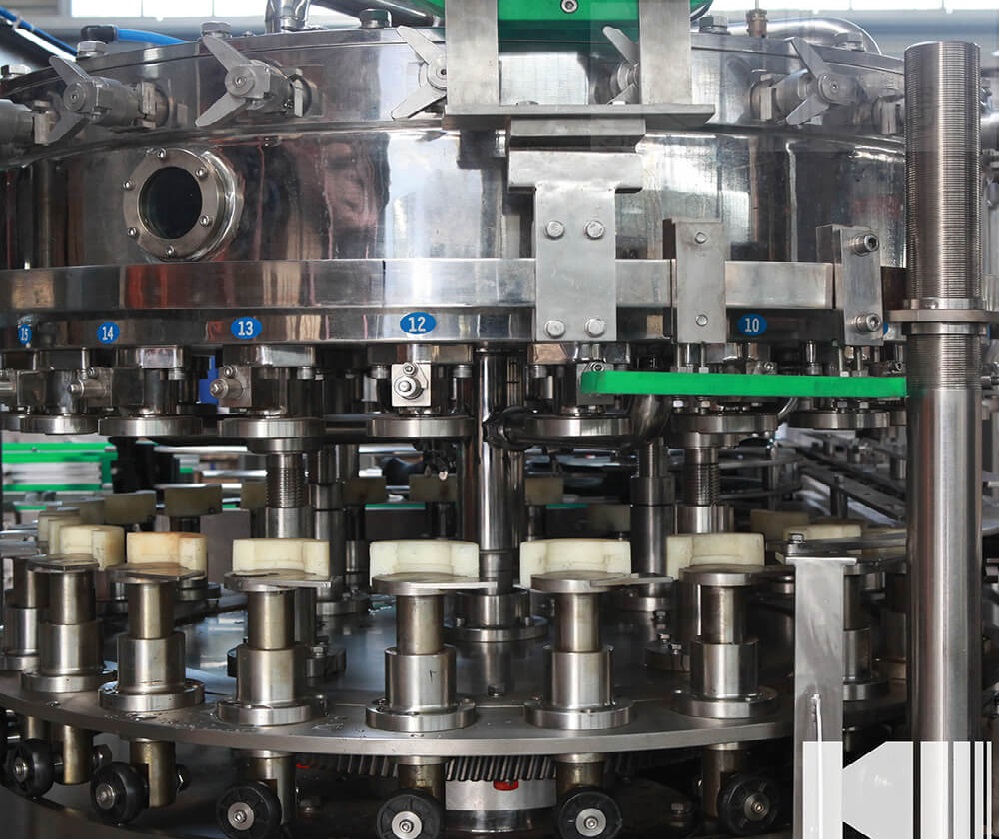
How Filling Equipment Supports Consistent Can Production Lines

Reliable can production depends on equipment that delivers accuracy, repeatability, and smooth operation throughout every stage of filling. Filling equipment plays an important role by controlling product quantities, maintaining steady movement, and supporting efficient packaging cycles. With suitable equipment, production teams can achieve uniform fills while keeping operations organized and productive. Modern filling solutions are designed to support dependable performance, helping businesses maintain consistent output while adapting to changing production requirements.

Precision Filling For Uniform Results

Accurate filling helps ensure that every can receives the intended quantity. Consistent dosing also supports efficient material usage and dependable product presentation.

  • Accurate volume control helps maintain uniform fills.
  • Repeatable filling cycles support consistent production results.
  • Controlled dispensing helps minimize unnecessary product variation.
  • Adjustable filling settings provide flexibility for different requirements.
  • Stable product flow supports smooth and dependable operation.

Supporting Continuous Production

Filling Machines

Filling equipment can help maintain an organized production rhythm by coordinating can positioning and filling operations. Consistent machine cycles allow packaging activities to progress efficiently.

  • Automated can handling keeps containers moving smoothly.
  • Steady cycle timing supports predictable production output.
  • Synchronized filling heads help maintain balanced performance.
  • Efficient indexing positions cans accurately for filling.
  • Continuous operation supports higher production capacity.

Improving Process Efficiency

Well-designed filling equipment can contribute to a more streamlined production environment. Features that simplify operation and adjustment can help teams maintain productive workflows.

  • Simple controls make routine operation easier.
  • Quick adjustments support efficient production changes.
  • Accessible components encourage convenient maintenance.
  • Efficient changeovers help reduce unnecessary interruptions.
  • Reliable machine movement supports steady line performance.

Equipment Features Worth Considering

Selecting suitable equipment can strengthen consistency across repeated production cycles. Information from filling equipment resources, including https://www.levapack.com/can-filling-machines/, highlights the value of precision, automation, and suitable machine configuration when supporting dependable filling operations.

Important features may include:

  • Precision filling mechanisms for controlled dispensing.
  • Adjustable nozzles for flexible filling requirements.
  • Automatic sensors for improved process monitoring.
  • Durable construction for dependable daily operation.
  • Easy cleaning access for efficient routine upkeep.
  • Flexible configurations for changing production needs.

Maintaining Consistent Quality

Consistency extends beyond filling accuracy. Equipment that works smoothly with connected packaging stages can help create a coordinated production line where each process supports the next.

  • Accurate container positioning promotes dependable filling.
  • Consistent machine speeds help maintain production rhythm.
  • Reliable controls support repeatable operating conditions.
  • Preventive maintenance encourages long-term performance.
  • Regular calibration helps preserve filling accuracy.
  • Operator-friendly features support confident equipment handling.

Filling equipment provides a valuable foundation for consistent can production by combining precision, automation, flexibility, and dependable operation. With the right configuration, manufacturers can support uniform product quantities, smoother workflows, efficient material usage, and steady production output. These advantages make modern filling equipment an important part of building organized, productive, and consistently performing can packaging lines.

Read More

Effective Marketing Innovation Drives Visibility And Customer Engagement

Creative marketing innovation helps businesses present their value in fresh, meaningful, and memorable ways. By combining customer understanding with imaginative strategies, organizations can strengthen visibility, encourage engagement, and create positive experiences that support lasting relationships and sustainable growth.

Understanding Evolving Customer Expectations

Successful innovation begins with recognizing what audiences value and expect. Understanding changing interests helps businesses develop marketing initiatives that remain relevant while creating stronger opportunities for meaningful customer interaction.

  • Identify emerging customer preferences.
  • Study audience interests and expectations.
  • Recognize valuable engagement opportunities.
  • Develop customer-centered campaign ideas.
  • Encourage continuous audience understanding.

Creating Memorable Marketing Experiences

Distinctive experiences can make communication more engaging and enjoyable. Innovative campaigns can transform ordinary interactions into memorable moments that encourage customers to pay attention, participate, and develop stronger connections.

  • Introduce fresh communication concepts.
  • Create engaging customer experiences.
  • Present information in creative formats.
  • Encourage positive participation.
  • Build memorable campaign interactions.

Strengthening Brand Visibility

Consistent innovation can help businesses remain noticeable in competitive environments. Creative messaging and thoughtful campaign development make it easier to communicate value clearly and maintain a recognizable presence among target audiences.

  • Develop distinctive campaign themes.
  • Communicate key benefits with clarity.
  • Maintain consistent visual and messaging elements.
  • Highlight meaningful customer value.
  • Encourage greater audience awareness.

Encouraging Meaningful Engagement

Engagement becomes stronger when customers receive communication that reflects their interests. Marketing innovation provides opportunities to create interactive experiences that invite participation and encourage ongoing relationships.

  • Encourage two-way communication.
  • Provide useful and relevant information.
  • Create opportunities for customer participation.
  • Respond thoughtfully to audience interests.
  • Strengthen relationships through consistent interaction.

Using Insights To Guide Innovation

Useful customer insights can help businesses develop more effective creative strategies. Reviewing audience responses provides direction for refining campaigns and discovering new approaches that can improve visibility and engagement.

  • Evaluate customer responses regularly.
  • Identify successful campaign elements.
  • Recognize emerging audience interests.
  • Refine creative strategies using insights.
  • Apply useful findings to future campaigns.

Supporting Consistent Creative Development

Innovation becomes more valuable when it is maintained as an ongoing process. Regular creative development helps businesses refresh their communication, explore new opportunities, and keep customer experiences engaging over time.

  • Encourage continuous idea generation.
  • Refresh campaign concepts regularly.
  • Explore new communication approaches.
  • Maintain a customer-focused creative process.
  • Build upon successful marketing initiatives.

Professional Guidance Enhances Innovation

Strategic expertise can provide additional direction for developing innovative marketing approaches. Resources such as https://carambamedia.nl/ can inspire thoughtful campaign planning, creative communication, audience engagement, and stronger visibility.

  • Strengthen innovative campaign planning.
  • Encourage creative strategic thinking.
  • Improve customer-focused communication.
  • Identify opportunities for greater visibility.
  • Support sustainable marketing development.

Measuring Positive Marketing Progress

Measuring campaign performance helps businesses understand the value created through innovative activities. Clear evaluation encourages continuous improvement and supports informed decisions that can strengthen future marketing initiatives.

  • Track meaningful engagement indicators.
  • Review visibility improvements.
  • Measure audience responses.
  • Identify areas for continued growth.
  • Use results to refine future strategies.

Conclusion

Effective marketing innovation creates valuable opportunities to increase visibility and strengthen customer engagement. By understanding audiences, developing memorable experiences, using meaningful insights, and encouraging continuous creativity, businesses can build stronger relationships and maintain positive momentum. A consistent commitment to innovation supports engaging communication, improved recognition, and sustainable marketing growth.

Read More

1 2 3 … 14